
Education
How forex and CFD trading actually works, one idea per article, written for someone choosing a broker for the first time and useful to anyone who has been trading for years. Every article explains a concept, gives the arithmetic where there is any, and points to the tool on the site that applies it. It is general information rather than advice.
A path through it
Ten articles, in order, for someone starting out.
Getting started
What the market is and the units it is measured and charged in.
 What forex trading isForex is the exchange of one currency for another, and forex trading is doing that to profit from the change in the rate rather than because you need the money abroad. This article explains what the market is, who is in it, how a retail trader takes part through a broker, and what a trade actually consists of.3 minute read
 Currency pairsA currency is priced in terms of another, so forex trades in pairs, and the way a pair is written tells you which currency you are buying, which you are selling and what a move in the price means. This article explains base and quote currencies, majors, crosses and exotics, and why the order of the pair matters.2 minute read
 Pips and lot sizesA pip is the unit forex prices move in and a lot is the unit positions are sized in, and between them they turn a price change into money. This article explains what each one is, how they differ across pairs and metals, and how to work out what a move is worth on a position of a given size.2 minute read
 Spreads and commissionsThe spread and the commission are the two charges a trade pays to open and close, and brokers arrange them differently across account types so that the same trade can look cheap on one and expensive on another. This article explains what each is, how to add them up, and why the number that matters is the total rather than either one.3 minute read
Leverage and risk
The arithmetic that decides whether an account survives.
 LeverageLeverage lets a trader control a position many times larger than the money put down, which is what makes small currency moves worth trading and what makes retail forex dangerous. This article explains what leverage is, how it is capped in different countries, what it does and does not change about a trade, and how to think about the number.3 minute read
 MarginMargin is the part of the account a broker sets aside to hold a leveraged position, and the words around it, free margin, margin level, margin call and close-out, describe how close an account is to having its positions closed. This article explains each of them and how to keep a comfortable distance from the last.3 minute read
 Position sizingPosition sizing is deciding how much to trade so that the loss if the trade fails is one you chose in advance, and it is the single habit that separates traders who last from traders who do not. This article gives the method, a worked example and the mistakes it prevents.2 minute read
 Stop-loss ordersA stop-loss order closes a position automatically when the price reaches a level you set, so that a losing trade is cut without you watching it. This article explains how stops work, the difference between a stop and a guaranteed stop, why they sometimes fill at a worse price, and how to place them so they do their job.3 minute read
 Risk-to-reward ratiosThe risk-to-reward ratio compares what a trade stands to lose at its stop with what it stands to make at its target, and together with the win rate it decides whether a way of trading makes money over time. This article explains the ratio, the arithmetic that links it to the win rate, and how traders misuse it.3 minute read
 Risk managementRisk management is the set of rules a trader follows so that no single trade, no single day and no single mistake can end the account, and it is what makes everything else in trading possible. This article gathers the rules that matter, explains the reasoning behind each, and describes how they fit together.3 minute read
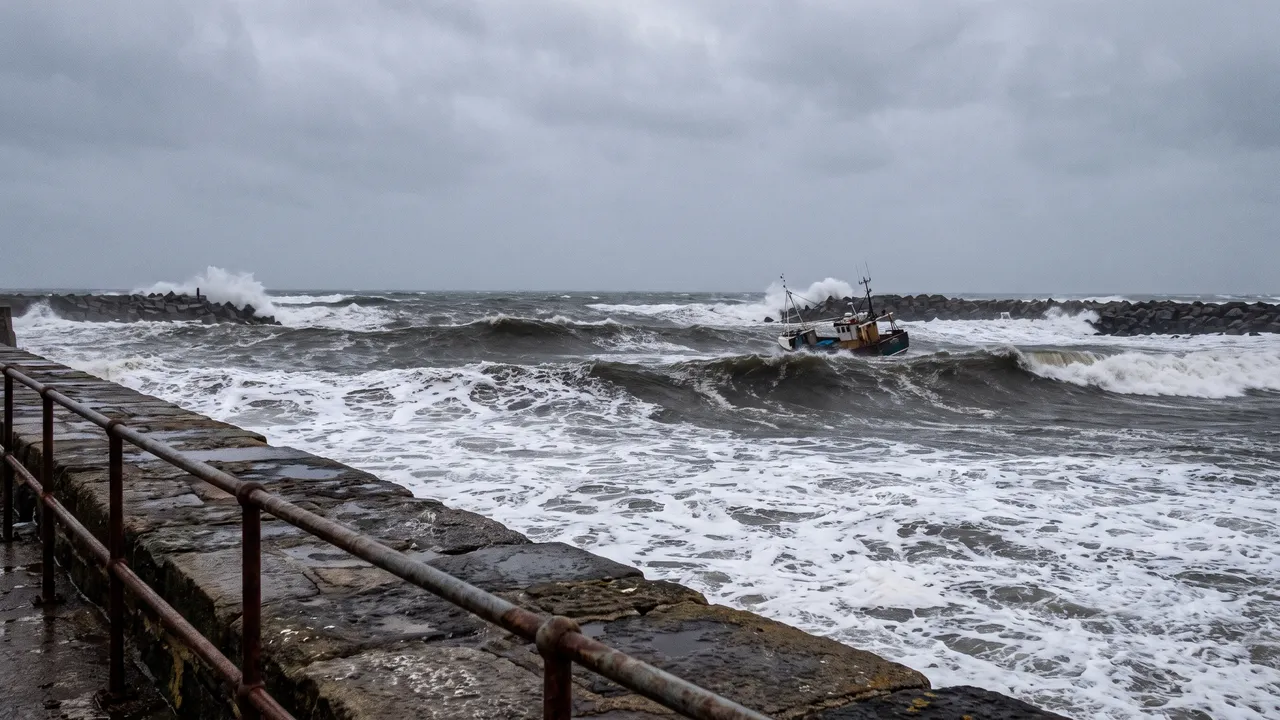 Market volatilityVolatility is how much a price moves over a period, and it changes constantly with the session, the news calendar and the mood of the market. This article explains how volatility is measured, when it rises, what it does to spreads, slippage and stops, and how a trader adjusts to it.2 minute read
Brokers and platforms
Who stands on the other side of the trade, and what to check about them.
 How to choose a brokerChoosing a broker is deciding which company will hold your money and stand on the other side of your trades, and the decision deserves more than a comparison of spreads. This article sets out the questions to ask, in the order they matter, and where on this site each is answered.2 minute read
 Trading platformsThe platform is the software the trader sees the market through and sends orders from, and for most retail brokers it is licensed from one of two vendors rather than built in house. This article explains what MetaTrader, cTrader, TradingView and the brokers' own platforms each offer, and what a trader should look for.2 minute read
 Broker execution modelsMarket maker, STP, ECN, A-book and B-book are the words brokers use to describe what happens to your order after you place it, and they are used loosely enough that the label alone tells you little. This article explains what each model is, how brokers actually combine them, and what a trader can check.3 minute read
 SlippageSlippage is the difference between the price you asked for and the price you got, and it is a normal part of trading in a moving market rather than a broker's trick, most of the time. This article explains why it happens, when it is largest, why it can work in your favour, and how to tell ordinary slippage from a broker's settings.2 minute read
 RegulationA regulated broker is one that a financial authority has licensed and supervises, and the value of that depends entirely on which authority and which company holds the licence. This article explains what regulation does for a client, which regulators matter, why a broker has several, and how to check a licence yourself.3 minute read
 Client moneyWhat happens to the money you deposit with a broker depends on the rules its regulator sets about keeping it separate, and on whether a compensation scheme stands behind it. This article explains segregation, what it protects against and what it does not, the compensation schemes that exist, and how much to keep with any one broker.3 minute read
Analysis
The two ways traders decide what to buy and sell, and the calendar that moves prices.
 Fundamental and technical analysisTraders decide what to buy and sell in two broad ways: by studying the economics behind a currency, or by studying the price itself. This article explains what each approach looks at, what each is good and bad at, and why most traders end up using some of both.2 minute read
 Economic indicatorsCurrencies move on the scheduled numbers governments and central banks publish, and a handful of releases account for most of the largest moves in any month. This article explains which indicators matter, why the market reacts to the surprise rather than the number, how to read a calendar, and how to trade around a release without being run over by it.3 minute read
Markets
What else a forex broker offers, and how each differs from currencies.
 CommoditiesGold, silver, oil and the other commodities are offered by nearly every forex broker as CFDs, and they trade differently from currencies in their hours, their contract sizes, their costs and what moves them. This article explains what a retail commodity CFD is, how the main ones behave, and what to check before trading one.2 minute read
 IndicesA stock index CFD lets a trader take a position on a whole share market, the S&P 500, the Nasdaq 100, the FTSE 100, the DAX, the Nikkei or the Hang Seng, in one instrument. This article explains how index CFDs are priced, when they trade, what they cost to hold, and how they differ from the currencies most retail traders start with.2 minute read
 SharesMost multi-asset brokers offer shares as CFDs, and a growing number also offer the shares themselves, and the difference between the two matters more here than for any other market. This article explains what a share CFD is, how it differs from owning the share, what it costs, and when each makes sense.2 minute read
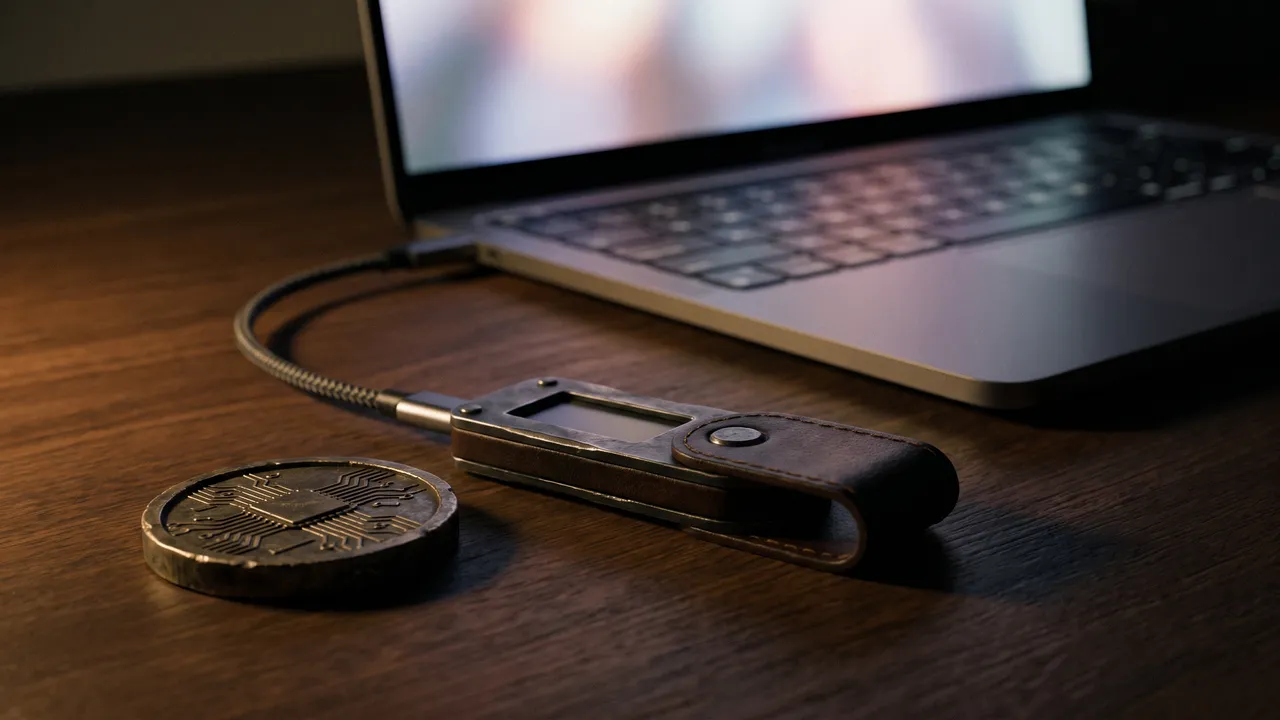 Cryptocurrency CFDsA bitcoin CFD at a forex broker tracks the coin's price without the trader owning any bitcoin, and it is banned for retail clients in the United Kingdom, capped at 1:2 in Europe and Australia, and offered at high leverage offshore. This article explains what the product is, how it differs from buying the coin, what it costs and where it is allowed.2 minute read
 Futures and CFDsA futures contract and a contract for difference both let a trader take a leveraged position on a price without owning the thing, and they are often confused because so many CFDs are priced from futures. This article explains what each is, where each is traded, how a CFD rolls when its underlying future expires, and which suits which trader.2 minute read